

Two NORDSEC member companies, Maritime Robotics and Biodrone, are playing key roles in the European Defence Fund (EDF) project SALUBRIS, developing next-generation autonomous solutions for battlefield medical logistics in collaboration with NTNU.
The project is part of a broader Norwegian success in the latest EDF call, where national actors secured participation in 16 projects, highlighting Norway’s growing influence in European defence innovation.
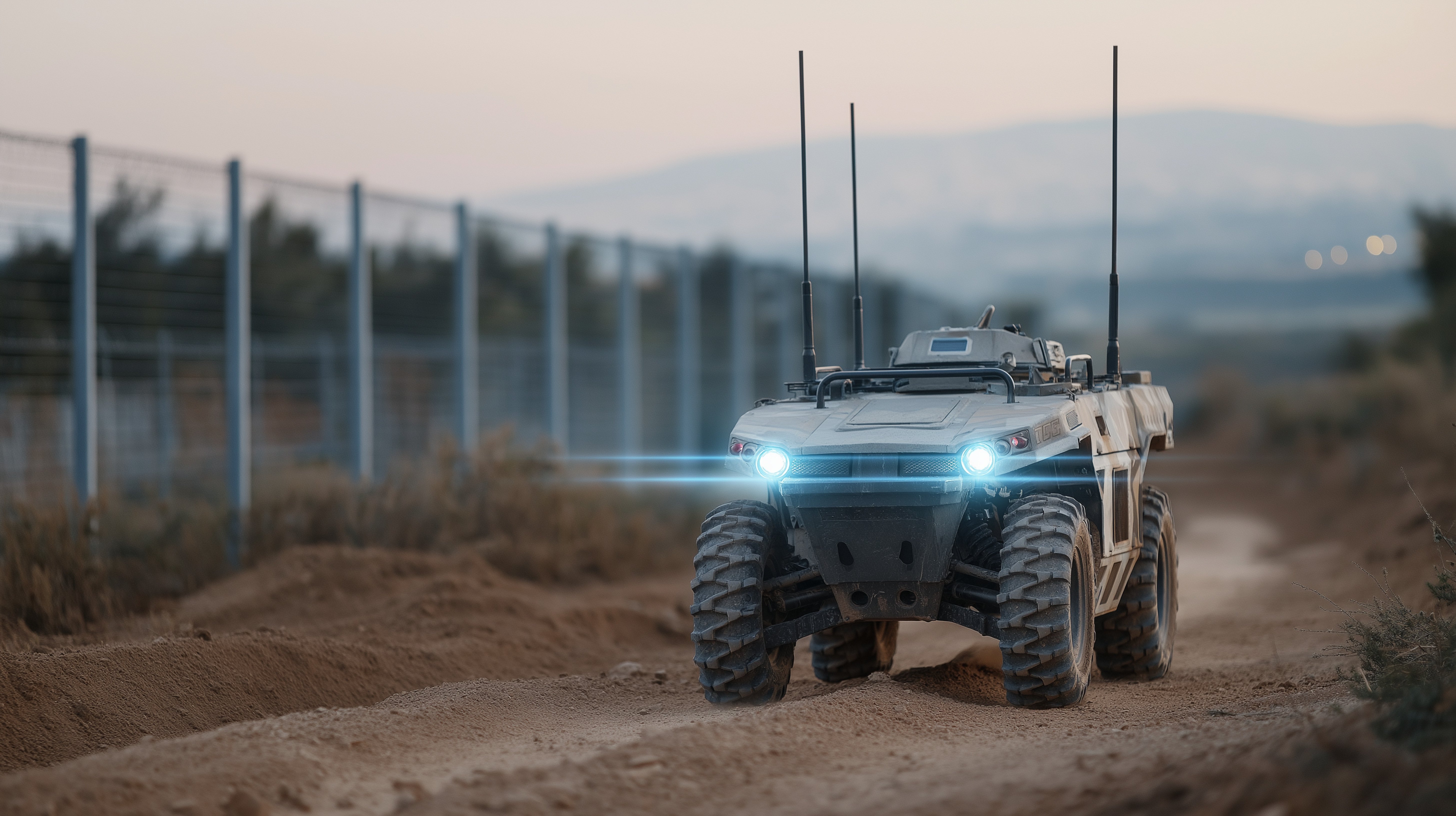
Military unmanned ground vehicle (UGV). Illustration: Adobe Stock
NORDSEC companies at the core of SALUBRIS
At the heart of SALUBRIS are Maritime Robotics and Biodrone, both members of the NORDSEC Nordic Defence and Security Cluster, working closely with the Norwegian University of Science and Technology (NTNU) as a core scientific partner.
SALUBRIS focuses on autonomous medical evacuation (medevac) and casualty handling in contested environments, aiming to significantly reduce time from injury to treatment. This is achieved by enabling unmanned systems to support battlefield triage, prioritisation of wounded personnel, and rapid evacuation using drone-based platforms.
A central objective is the development of autonomous medevac capabilities, where unmanned aerial systems and robotic platforms operate in high-risk zones without exposing medical or rescue personnel. This includes detection, classification, and transport of casualties under complex operational conditions.

Stefano Cherubin, Associate Professor, Department of Computer Science. Photo: Kai T. Drageland, NTNU
By combining Maritime Robotics’ expertise in autonomous maritime and robotic systems with Biodrone’s capabilities in drone technology and sensor integration, the project aims to deliver robust, field-ready evacuation solutions for denied and highly demanding environments.
NTNU contributes as a key scientific partner, providing expertise in computational efficiency and reliability of autonomous systems. SALUBRIS is embedded in NTNU’s System Software Group, led by Associate Professor Stefano Cherubin, which has now secured its third European Defence Fund project in three years.
“This is an exciting opportunity to apply research on efficient and reliable system software to solutions that can make a real difference in critical situations,” says Stefano Cherubin, Associate Professor at NTNU.
He adds that the project enables close collaboration between Norwegian industry and leading European partners in developing next-generation autonomous systems.
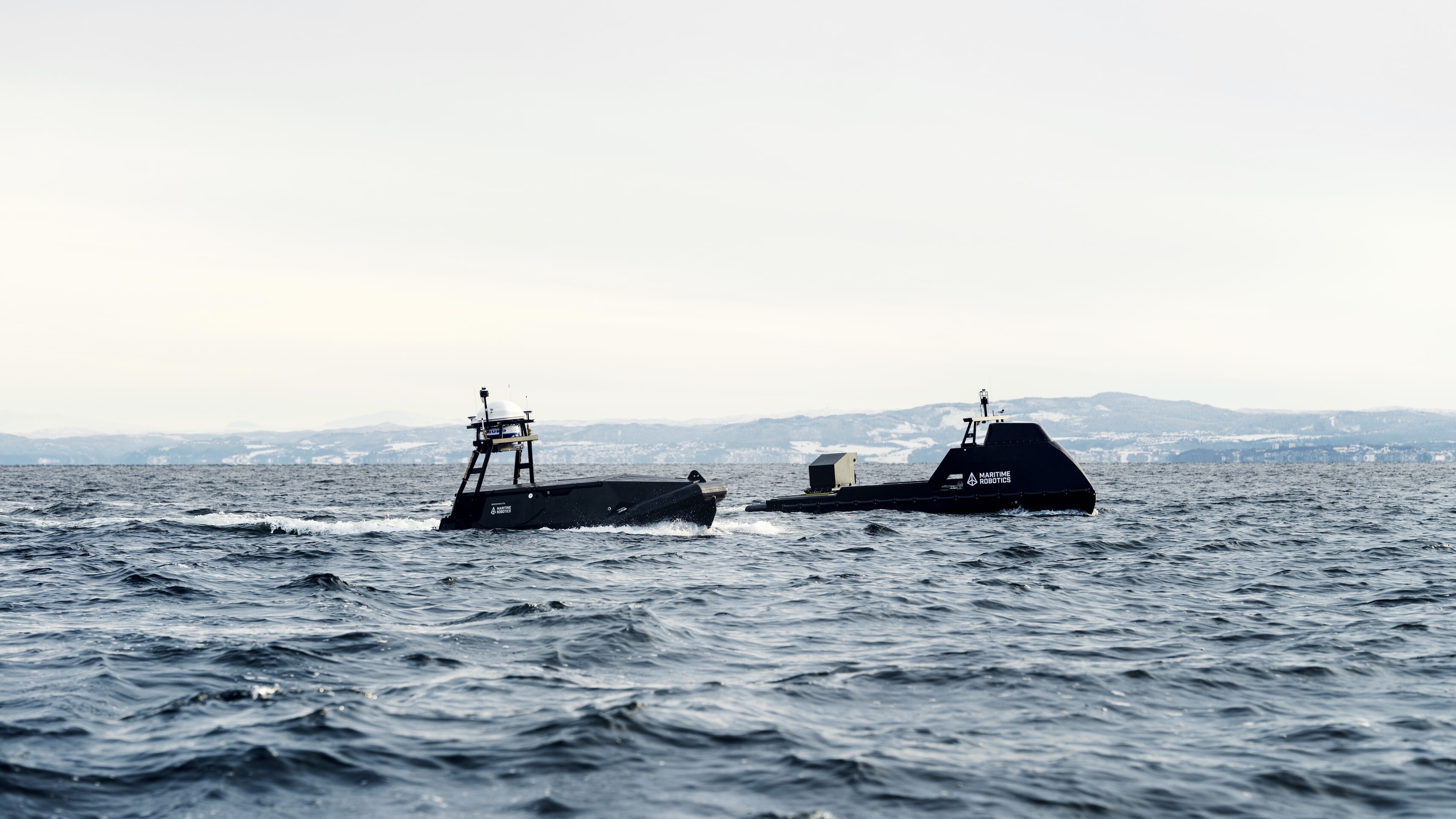
Maritime Robotics has for several years developed a range of maritime drones. Photo: Maritime Robotics
See also: Zaporizhzhia delegation impressed by defence technology from Trøndelag
Multimodal CASEVAC and AI-enabled triage
The project addresses a critical gap in battlefield medical support by developing and validating an ecosystem of Robot Autonomous Systems (RAS) for casualty evacuation (CASEVAC).
SALUBRIS enables multimodal operations across land, sea, and air, where unmanned systems work together in coordinated swarm configurations to detect, recover, and evacuate casualties.
A key component is sensor data fusion from multiple sources, including wearable and nearable sensors, enabling autonomous triage based on the START methodology. This is supported by explainable AI techniques that ensure transparent prioritisation of casualties in complex scenarios.
“The project allows us to validate onboard machine learning for scene understanding, while advancing autonomous evacuation capabilities in realistic, high-risk scenarios,” Danilo Petrocelli says.
Petrocelli is senior computer vision and machine learning engineer in Maritime Robotics.
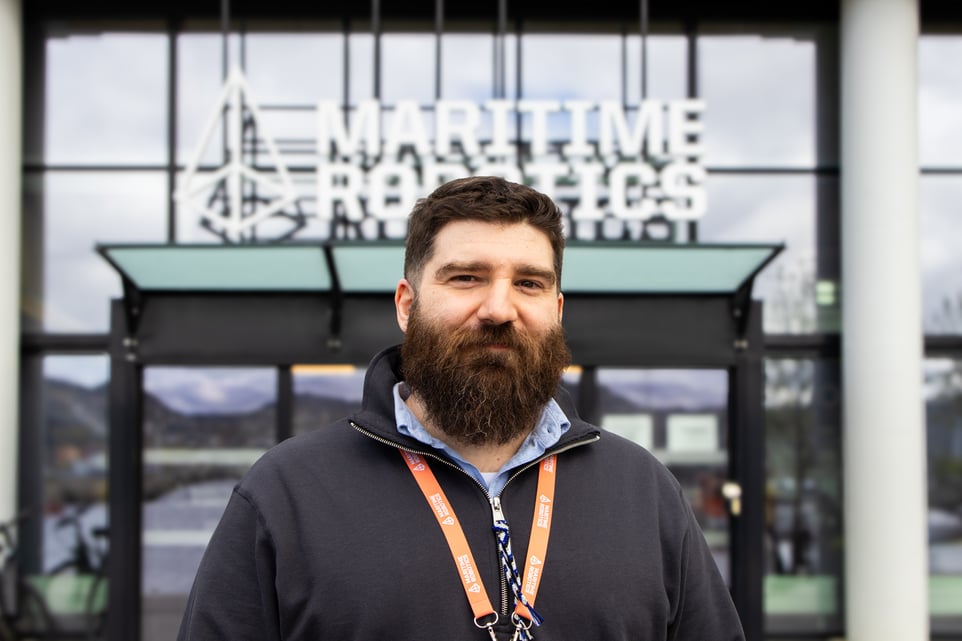
Danilo Petrocelli, Maritime Robotics
From forest monitoring to defence applications
Biodrone’s development path illustrates a clear dual-use trajectory from civilian to defence applications. The company originally focused on drone-based monitoring of forests and agricultural areas, using AI-driven analysis for mapping and environmental data collection.
This technology base has since been adapted for more demanding security applications, including detection of landmines and explosive remnants in complex environments.
“Our way from forest to defence has been a ride,” says Vegard Forbord of Biodrone.
He emphasises the importance of the EDF programme:
“This recognition reinforces the importance of developing innovative, field-proven technologies that can operate in complex and demanding environments, whether for defence, safety, or humanitarian purposes.”
Forbord adds that participation in the European Defence Fund enables closer collaboration with leading European partners and accelerates development of autonomous and sensor-driven systems for operational use.
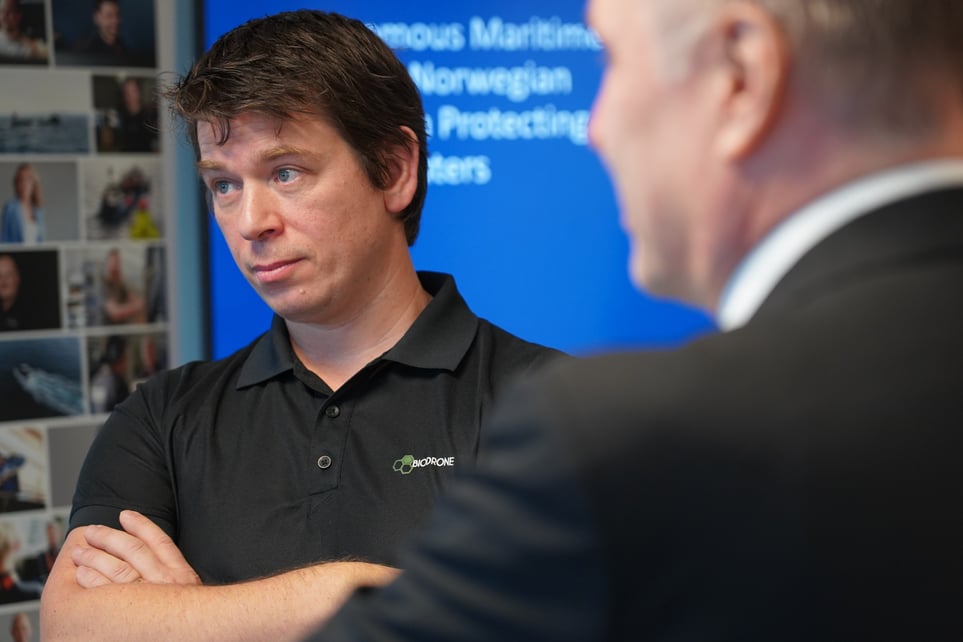
Vegard Forbord, Biodrone
See also: Biodrone: From forest monitoring to mine detection
Strengthening the ecosystem
The involvement of Maritime Robotics and Biodrone underscores the strength of the NORDSEC ecosystem in emerging defence domains such as autonomy, AI, and unmanned systems, particularly within autonomous medical evacuation and battlefield logistics.
EDF participation provides access not only to funding, but also to strategic European partnerships and operational environments where medevac technologies can be tested, validated, and matured.
For NORDSEC, this illustrates how cluster companies are directly contributing to the development of future life-saving defence capabilities in Norway and across Europe.
Technology with dual-use potential
While SALUBRIS is defence-driven, the technologies under development have strong dual-use potential. Autonomous medevac systems, triage support, and unmanned evacuation platforms may be adapted for civilian emergency response, disaster relief, and operations in remote or inaccessible areas.
As operational environments become increasingly complex, autonomous medical evacuation could become a critical capability not only in defence, but also in large-scale civilian crisis situations.
See also: Launching a new unmanned surface vessel for mine countermeasures
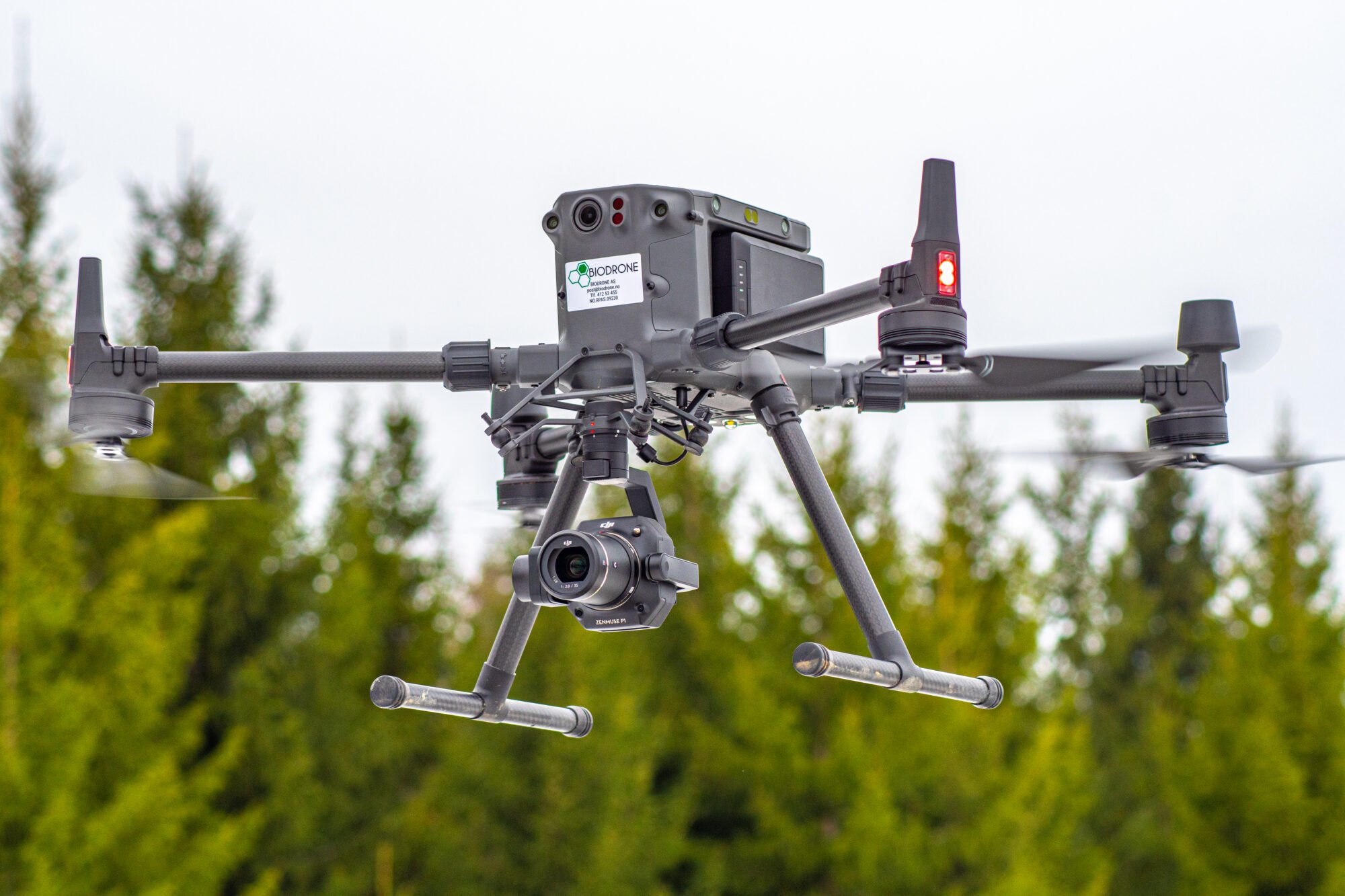 The Steinkjer-based company Biodrone specializes in drone services for forestry and agriculture. They have developed the technology further to detect mines in Ukraine. It will now be used to evacuate injured soldiers. Photo: Biodrone.
Maritime Robotics
Maritime Robotics develops autonomous and unmanned systems for maritime and remote operations, with core expertise in robotics, control systems, and autonomous platforms. The company delivers solutions for defence, offshore, and research applications, enabling safer and more efficient operations in complex environments.
Biodrone
Biodrone develops drone-based systems and sensor technologies for operation in demanding and hard-to-access environments. The company focuses on autonomy, sensing, and field-deployable unmanned systems, with applications in defence, emergency response, and environmental monitoring.