

Five years of work, setbacks and waiting ended with the student-built FramSat-1 satellite finally reaching space. Orbit NTNU marked the milestone with a presentation and live satellite operations in Trondheim, before celebrating with a launch gala in the evening.
FramSat-1 was launched aboard Isar Aerospace’s Spectrum rocket from Andøya on 5 September 2026, becoming the first Norwegian satellite launched into orbit from Norwegian soil.
For the students behind it, the moment was a long time coming. The FramSat project started in 2020 with an initial ambition of launching in 2022. Instead, the project stretched across several years and generations of students before finally reaching space in 2026.
That made the successful launch all the more special for an organisation where numerous teams have contributed to the project along the way.
On 22 October, partners and guests gathered at Orbit NTNU’s new offices at Valgrinda to hear about the first experiences from operating the satellite and see what the students are planning next.
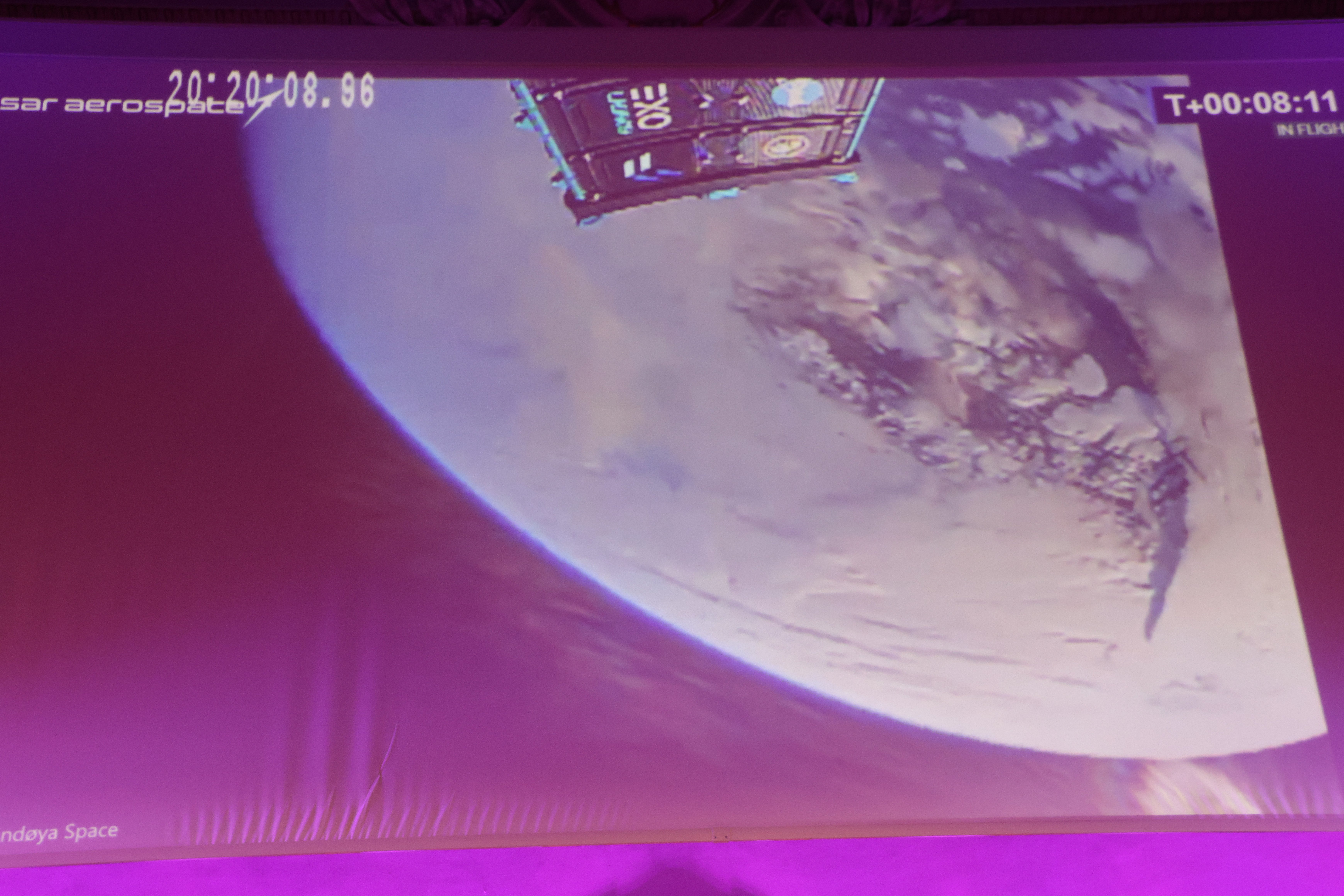
Photo: Isar Aerospace/Lars Bugge Aarset/Fremtidens Industri
For Lars Andreas Weel Aasen, Project Manager for FramSat one image from the launch stood out.
“These are probably the greatest pictures I will ever own. On the left, you can actually see the Orbit logo in space with Earth as its background.”
FramSat-1 was a one-part CubeSat. The satellite was deployed approximately 70 minutes after lift-off. Around 30 minutes later, FramSat-1 deployed its antennas and began transmitting signals. The Orbit NTNU team received the first signals from the satellite approximately three hours and ten minutes after lift-off.
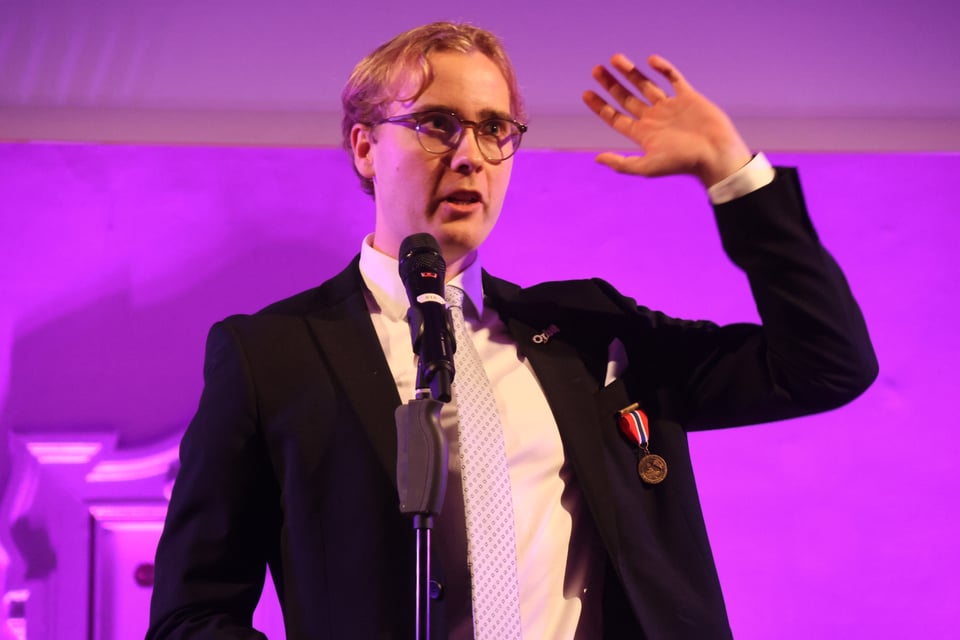
Lars Andreas Weel Aasen, Project Manager for FramSat. Photo: Lars Bugge Aarset/Fremtidens Industri
Operating a satellite from a rooftop in Trondheim
Getting FramSat-1 into orbit was only the beginning.
The satellite is now sending sensor and payload data back to the students, together with information about its health and attitude. The mission is giving the team first-hand experience of what it actually takes to operate hardware in space.
Not everything has worked perfectly. The team has experienced repeated reboots of the satellite’s electrical power system. Those experiences are already being used in software development and in preparation for future missions.
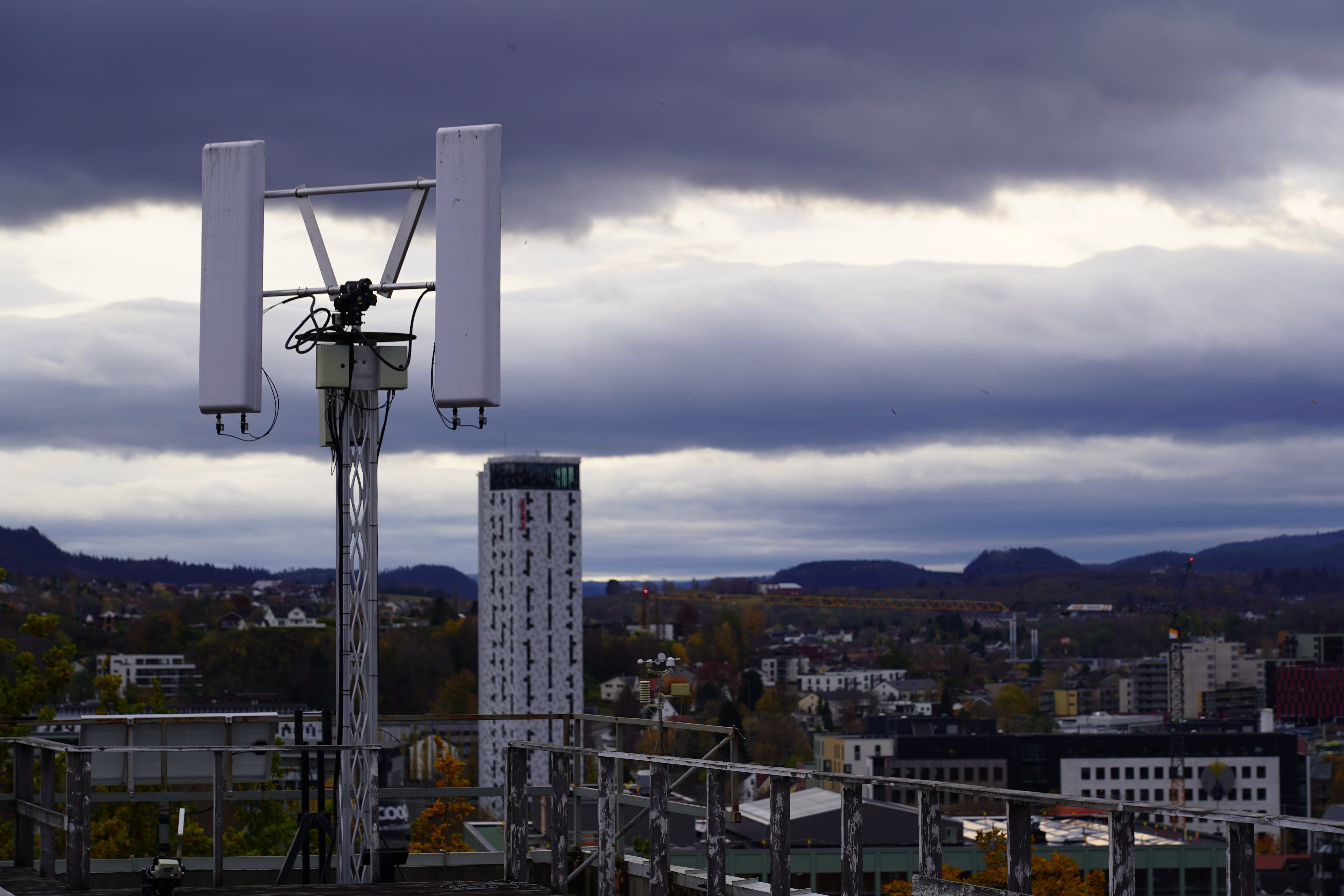
Orbit NTNU's rooftop antenna at Gløshaugen. Photo: Lars Bugge Aarset/Fremtidens Industri
After the presentation, guests headed to Taket, Orbit NTNU’s former office at NTNU, where the students demonstrated their own ground station. The programme also gave guests the opportunity to take part in operations from Orbit NTNU’s ground station.
From the rooftop antenna, the students can upload commands to the satellite and receive data back from orbit. It made the achievement tangible: students in Trondheim are not only designing and building spacecraft. They are operating them in orbit.
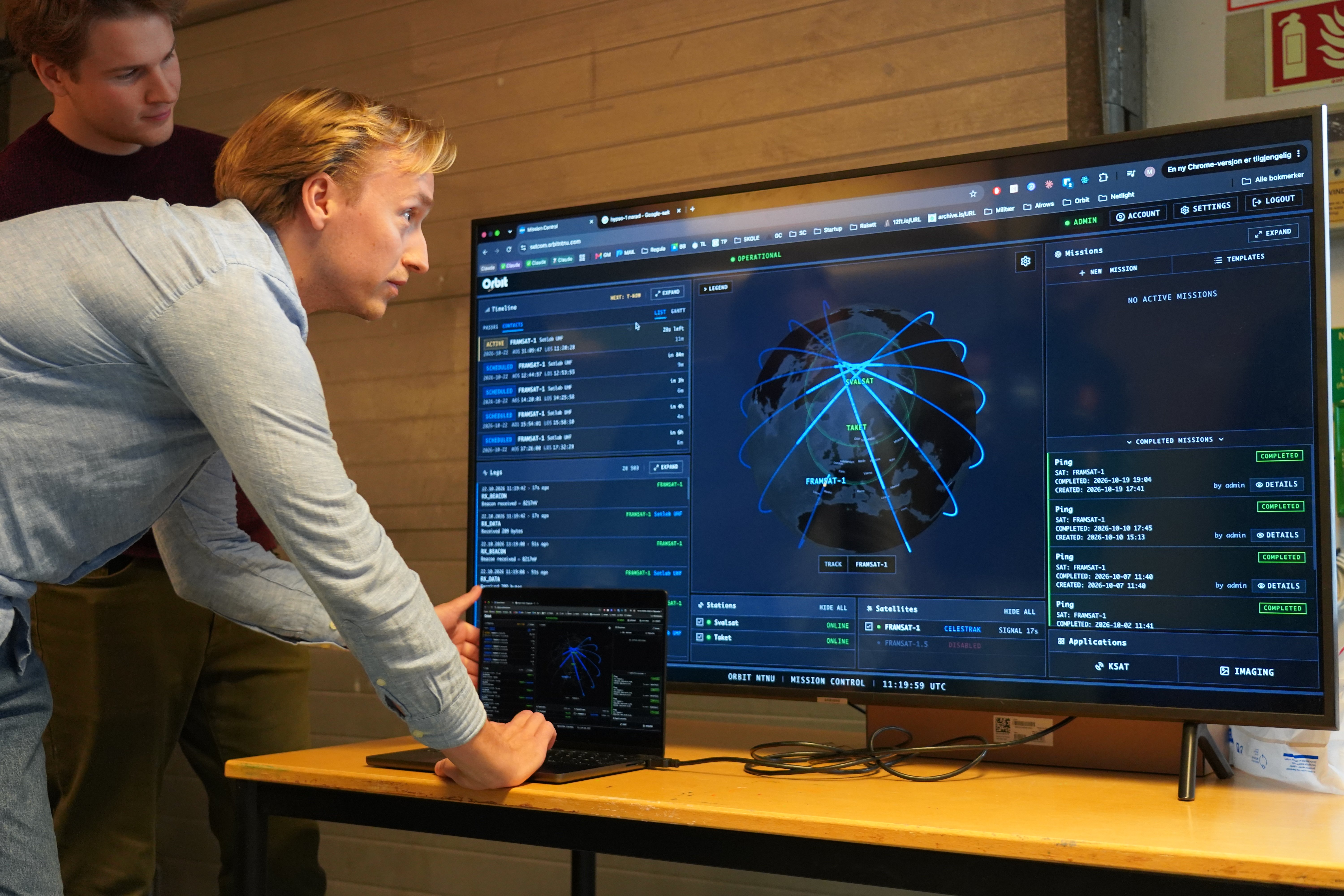
Recieving satellite data in Orbit NTNU’s ground station "Taket". Photo: Lars Bugge Aarset/Fremtidens Industri
FramSat-1.5 is already waiting
FramSat-1 is part of a rapidly developing satellite programme at Orbit NTNU. The organisation’s first satellite, SelfieSat, was launched in 2022, and the next missions are already taking shape.
Orbit NTNU has also built FramSat-1.5, a copy of FramSat-1 that is planned for launch. The satellite provides another platform for testing and further development, with software updates informed by health and operational data received from FramSat-1.
The approach means that lessons learned from the satellite currently in orbit can feed directly into the next mission.
And beyond FramSat-1.5, the students are preparing for a much bigger leap.
The next satellite will be three times bigger
FramSat-1 is a CubeSat measuring just 10 by 10 by 10 centimetres. Its successor, BioSat, will be three times the size at 10 by 10 by 30 centimetres, says Filip Österberg, Project Manager BioSat.
“BioSat is our most complex project in Orbit,” says Österberg.
The 3U CubeSat will carry two payloads, one biological and one based on software-defined radio. The biological experiment is designed to grow plants inside the satellite, using 16 seeds together with a camera, a pump and sensors monitoring conditions including temperature and CO₂.
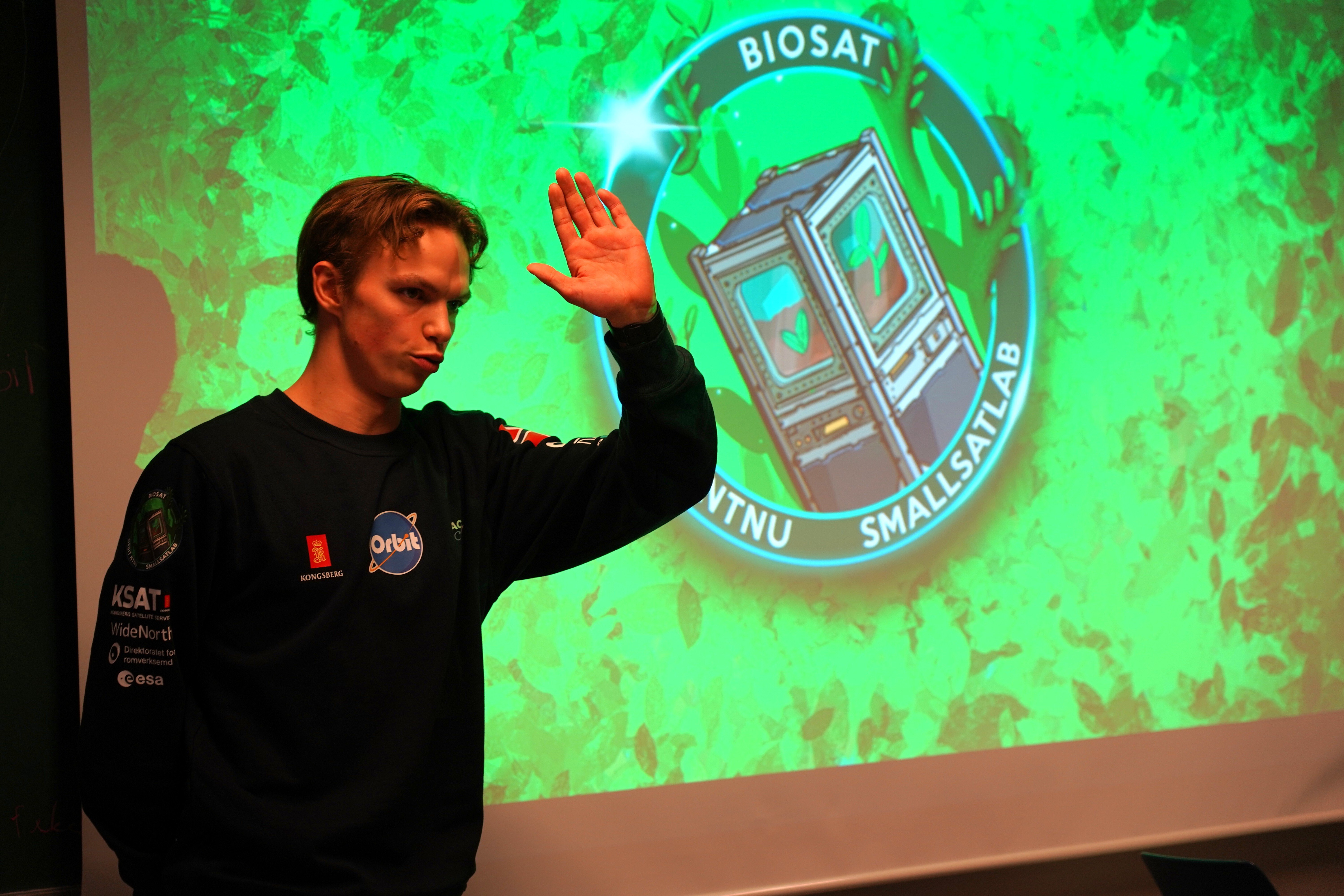
Filip Österberg, Project Manager Orbit NTNU, Biosat. Photo Lars Bugge Aarset Fremtidens Industri
After the biological experiment, the satellite’s software-defined radio will be used to measure noise and interference in an amateur radio band.
Several key systems are being developed in-house by the students, including the onboard computer and the attitude determination and control system. Assembly and hardware-software integration are among the next steps, followed by environmental testing. The current target is a launch in the fourth quarter of 2027.
Behind the satellites is an organisation that has grown considerably. Orbit NTNU now has around 125 active members from 43 study programmes, working across 18 teams.
For Chief Marketing Officer Sara Heitmann, the satellites are also about building expertise for the future.
“Our key goal is to highlight how Orbit educates the space talent of tomorrow,” says Heitmann.
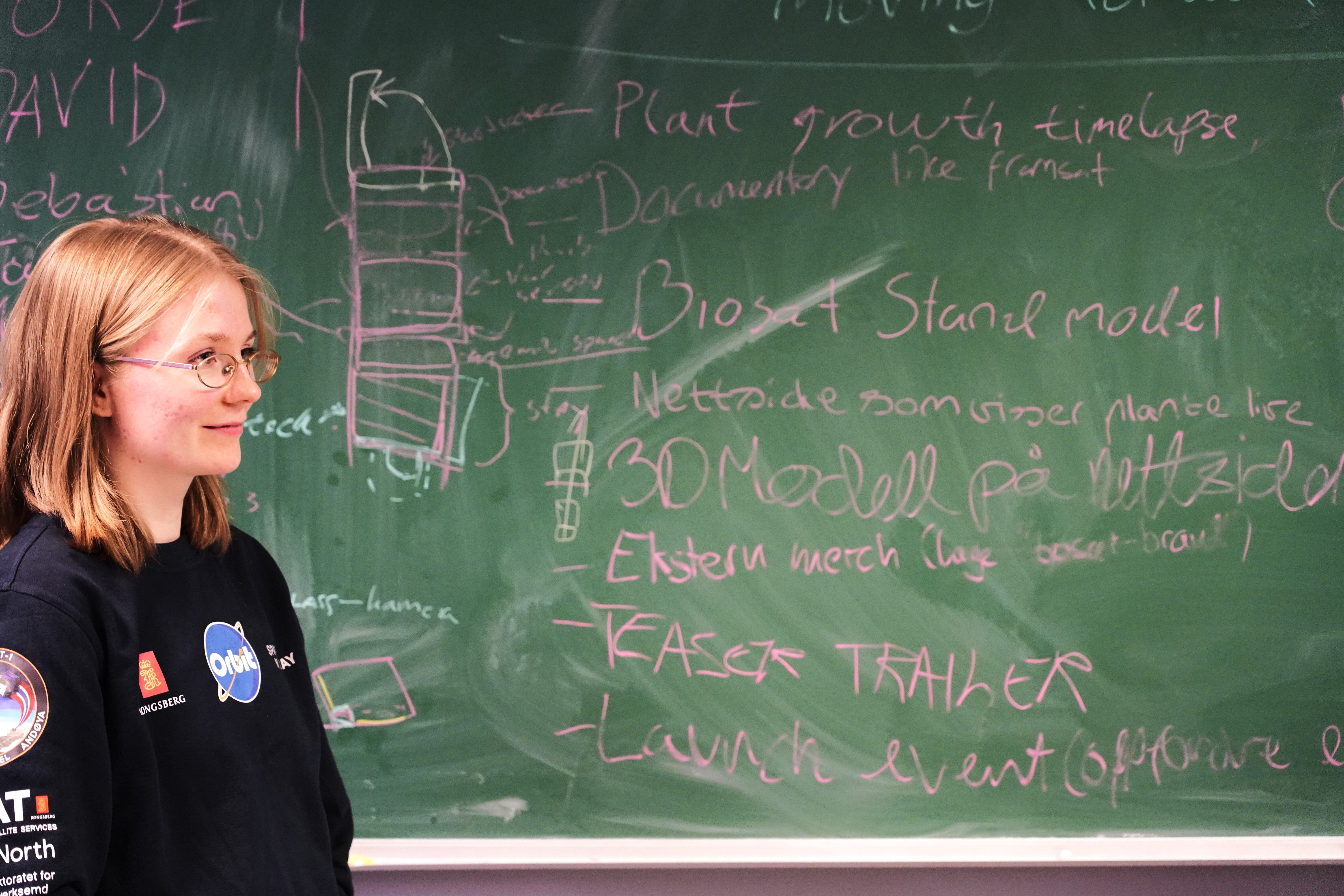
Orbit NTNU Chief Marketing Officer Sara Heitmann. Photo Lars Bugge Aarset Fremtidens Industri
“A piece of Norwegian industrial history”
After six years of work, delays and changing generations of students, it was finally time to celebrate.
The FramSat-1 Launch Gala at Frimurerlogen brought together students, partners and supporters to mark a milestone in Norwegian space history. The gala was the culmination of a day that also included the status meeting and satellite operations.
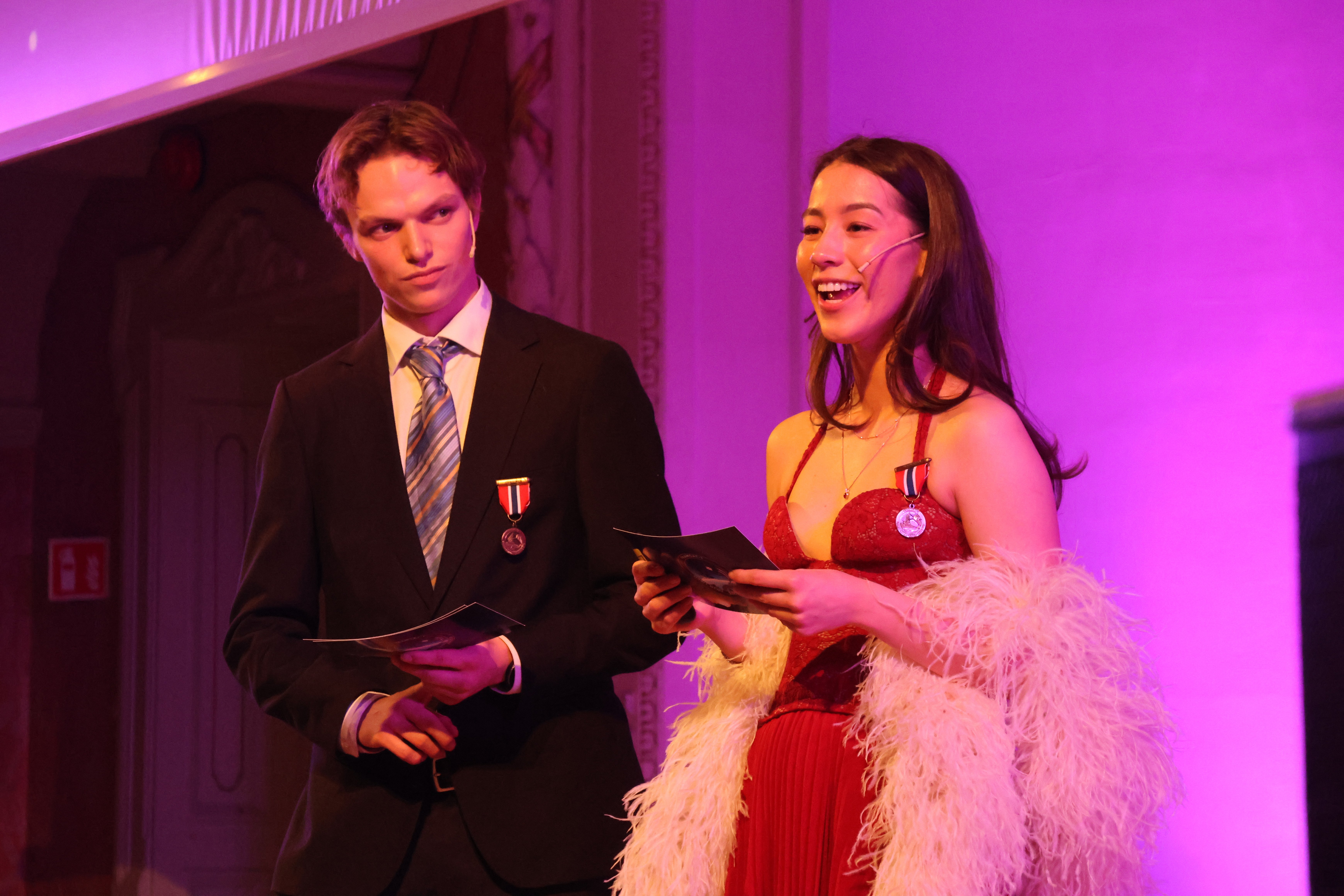
Tara Linnea Edvardsen, Chief Operations Officer, and Filip Österberg, Project Manager BioSat, were the hosts for the evening. Photo Lars Bugge Aarset Fremtidens Industri
Prime Minister Jonas Gahr Støre joined the celebration by video link.
“The successful rocket launch from Andøya will always mark the beginning of a new chapter,” Støre told the audience.
He also highlighted something familiar to a student organisation taking on ambitious projects where not everything works the first time.
“Along the way, you have to make some mistakes. You need mistakes. Fail fast, so we can move forward.”
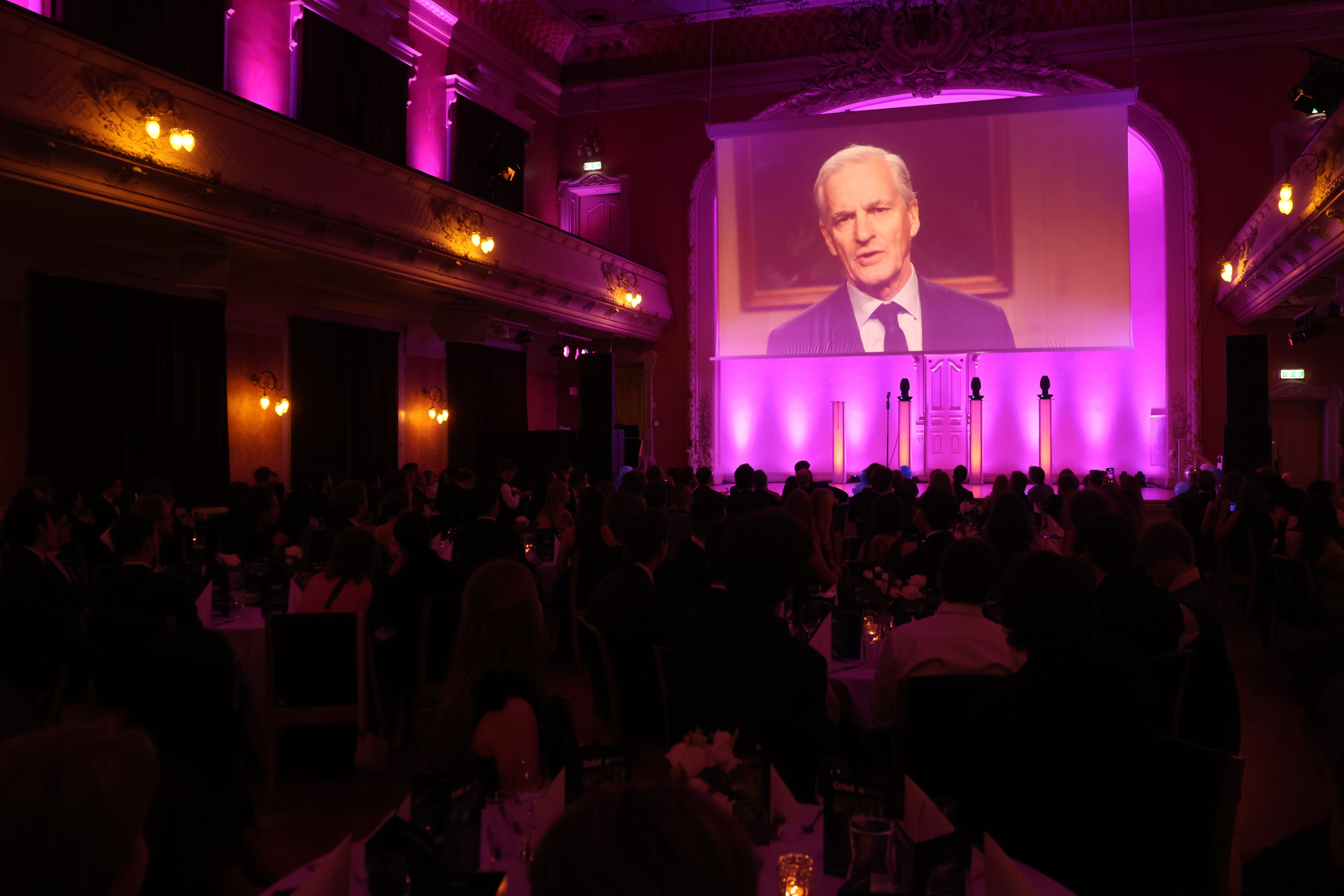
Prime Minister Jonas Gahr Støre joined the celebration by video link. Photo: Lars Bugge Aarset/Fremtidens Industri
Trondheim Mayor Kent Ranum put the students’ achievement into a wider perspective.
“What you have accomplished is not just a very cool school project. It is a piece of Norwegian industrial history.”
He also pointed to what the project says about Trondheim as a technology city.
“You are showing that here in Trondheim, we create the future. We don’t draw it, we build it, and we literally launch it into space,” said Ranum.
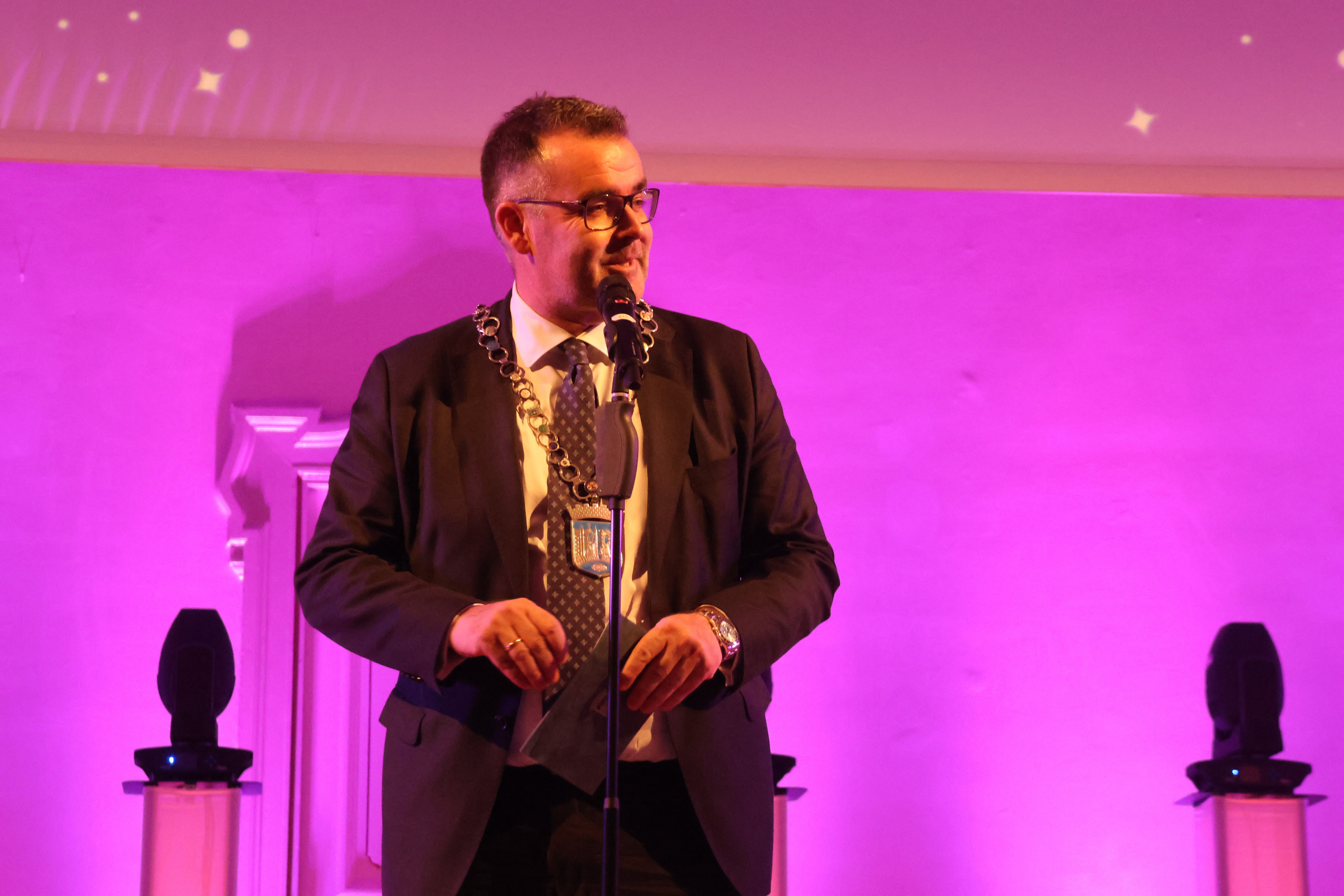
Trondheim Mayor Kent Ranum. Photo: Lars Bugge Aarset/Fremtidens Industri
State Secretary Vegar Grøslie Wennesland summed up Norway’s position in space even more directly:
“Norway cannot become a space nation. Norway is a space nation.”
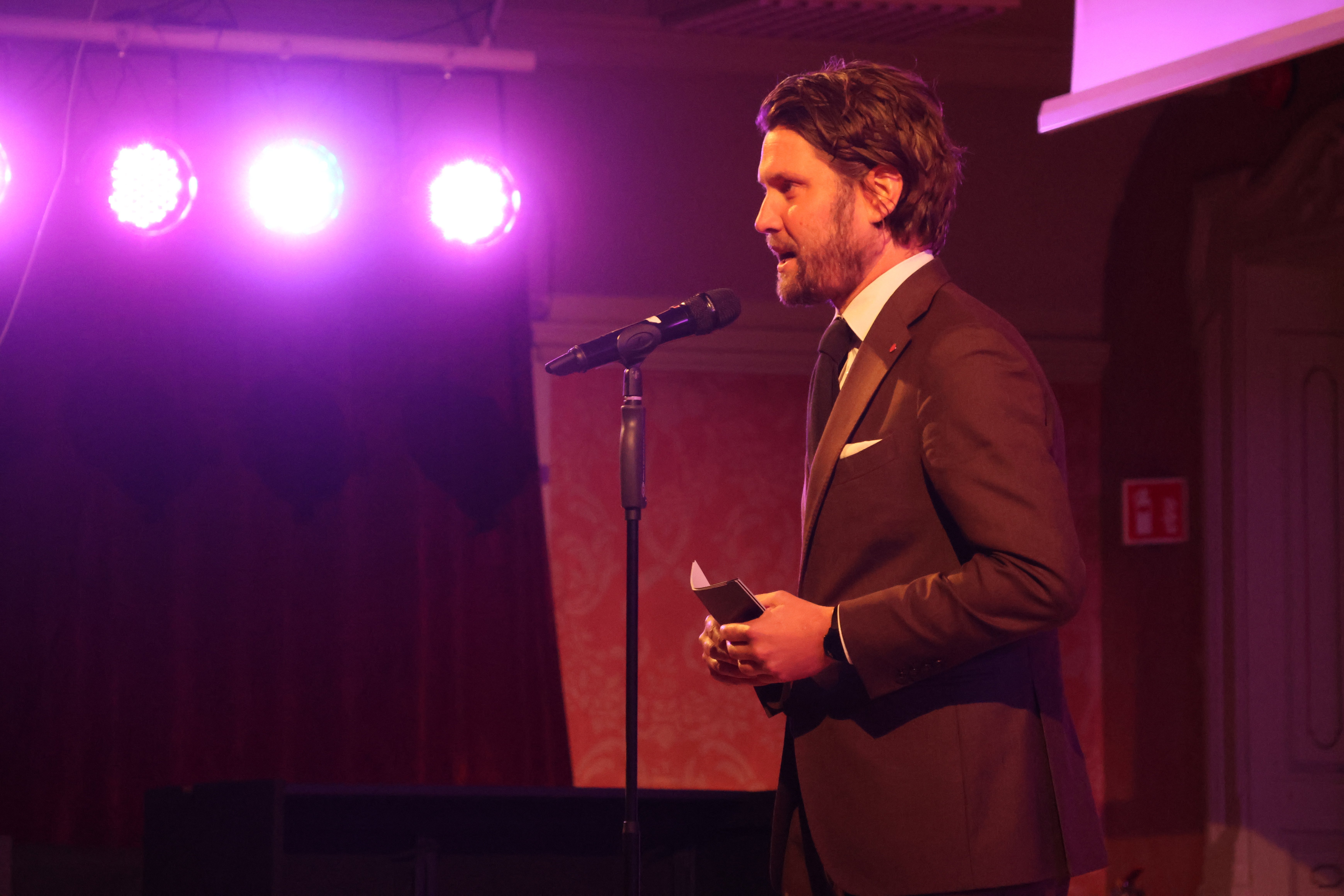 State Secretary Vegar Grøslie Wennesland. Photo: Lars Bugge Aarset/Fremtidens Industri
For the students who started working on FramSat-1 back in 2021, the road to space turned out to be considerably longer than originally planned. But when the Spectrum rocket finally lifted off from Andøya, carrying their satellite into orbit, there was all the more reason to celebrate.
Now Orbit NTNU is already moving on. FramSat-1 is circling Earth, FramSat-1.5 is planned for launch, and the three-times-larger BioSat is heading towards a planned launch in 2027. The students are not just educating the space talent of tomorrow. They are already showing what that talent can achieve today.
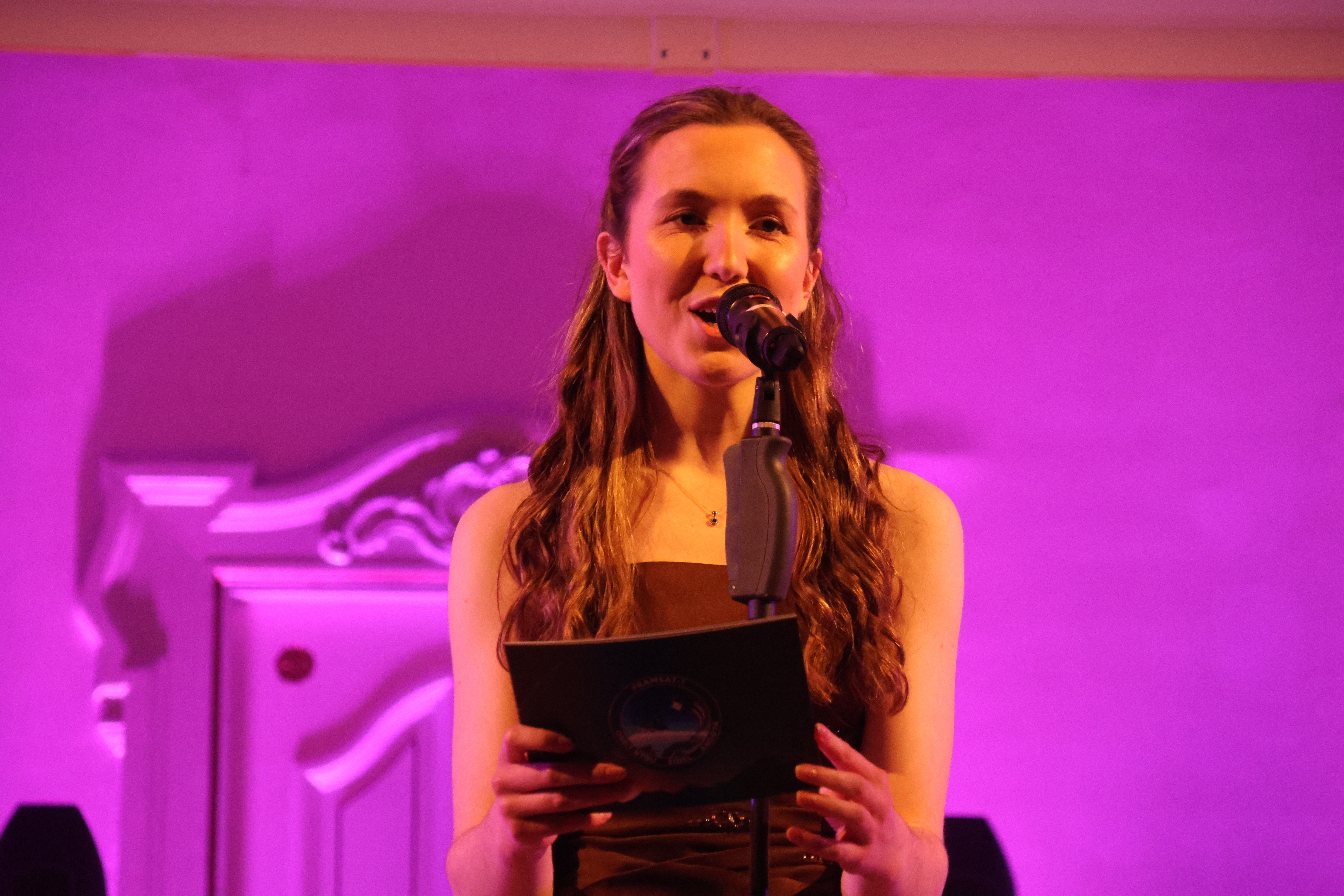
Helga Therese Tomaszewski Vrenne, Orbit NTNU Chief Executive Officer. Photo: Lars Bugge Aarset/Fremtidens Industri
Part of a wider technology ecosystem
Orbit NTNU is also part of a wider student technology community in Trondheim. Together with Propulse NTNU, which develops rockets, Ascend NTNU, which develops drones, and Jet NTNU, the organisation is part of NORDSEC. The student organisations also take part in the Nordic Defence and Security Conference, connecting their work with defence, industry, academia and technology development.
Orbit NTNU also collaborates with ESA BIC Node Trøndelag, part of Fremtidens Industri, connecting the student space environment with the wider ecosystem for space technology and entrepreneurship in the region.
Pictures from the celebration
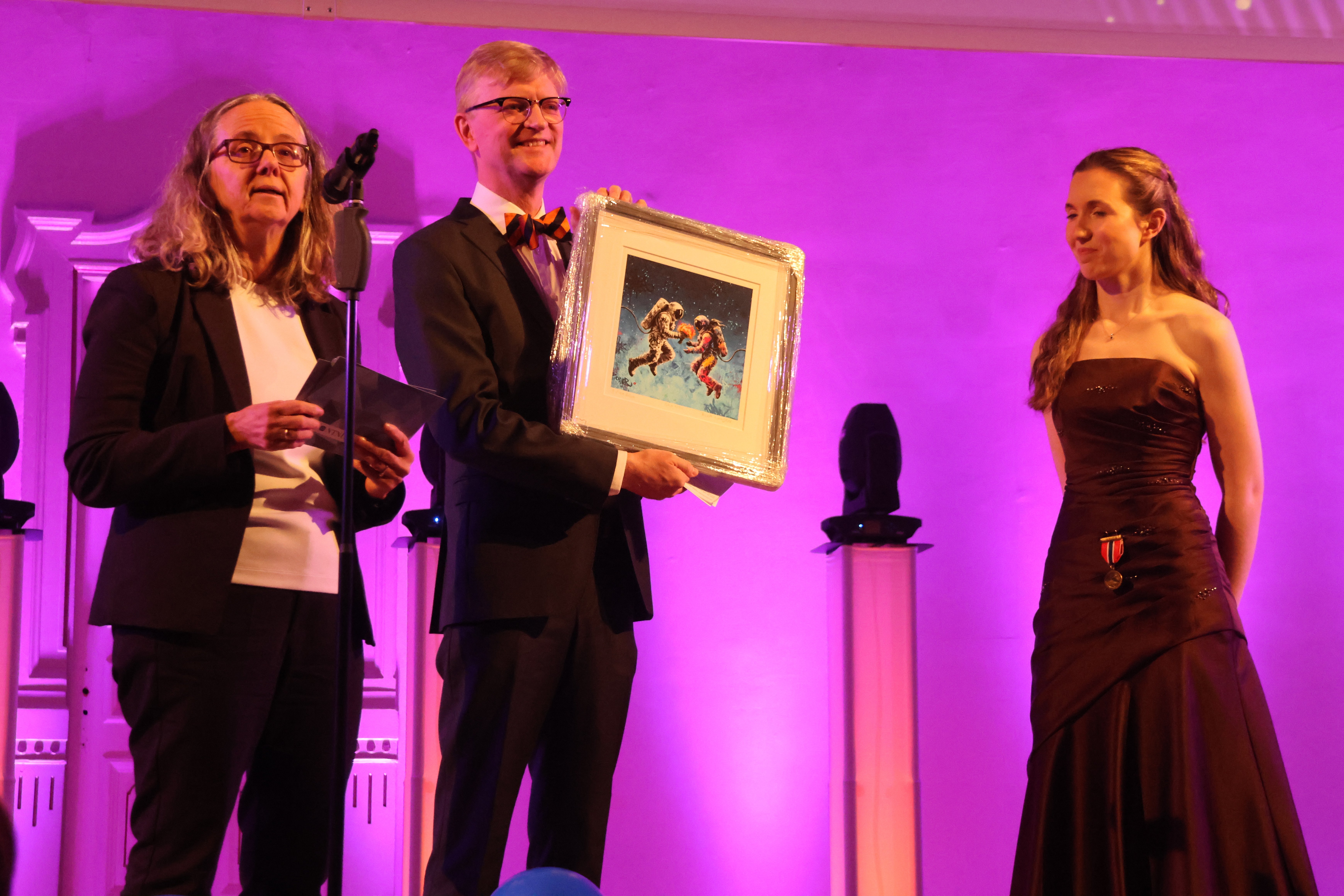
Monica Rolfsen, NTNU Pro-Rector for Outreach and Social Responsibility, and Thomas Tybell, Dean of the Faculty of Information Technology and Electrical Engineering, presented their congratulations and a special greeting to Orbit NTNU, received on behalf of the organisation by Helga Therese Tomaszewski Vrenne, Chief Executive Officer. Photo: Lars Bugge Aarset/Fremtidens Industri
 Nora Ytterbø, former head of Orbit NTNU. Photo: Lars Bugge Aarset/Fremtidens Industri
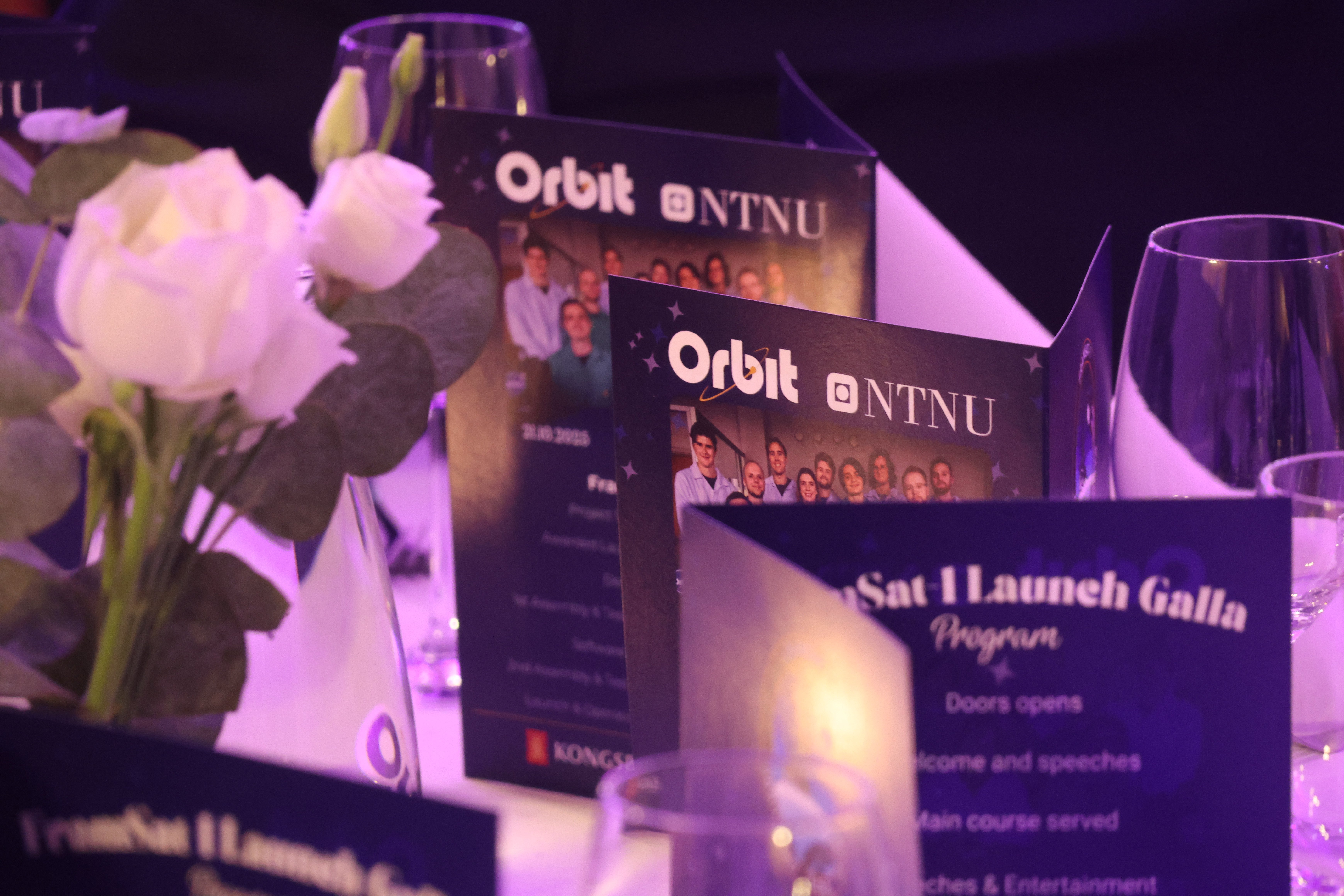
Photo: Lars Bugge Aarset/Fremtidens Industri
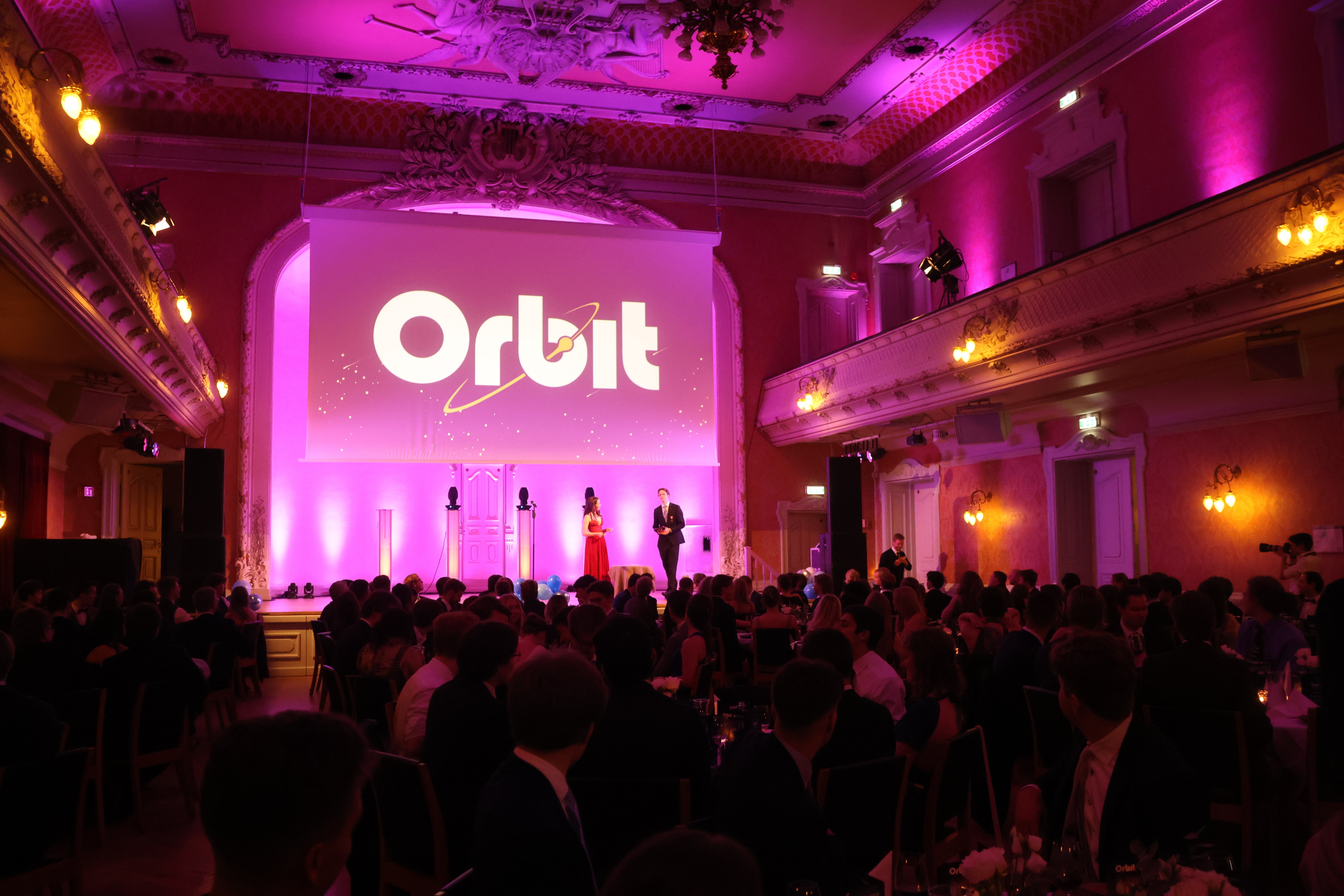
Photo: Lars Bugge Aarset/Fremtidens Industri
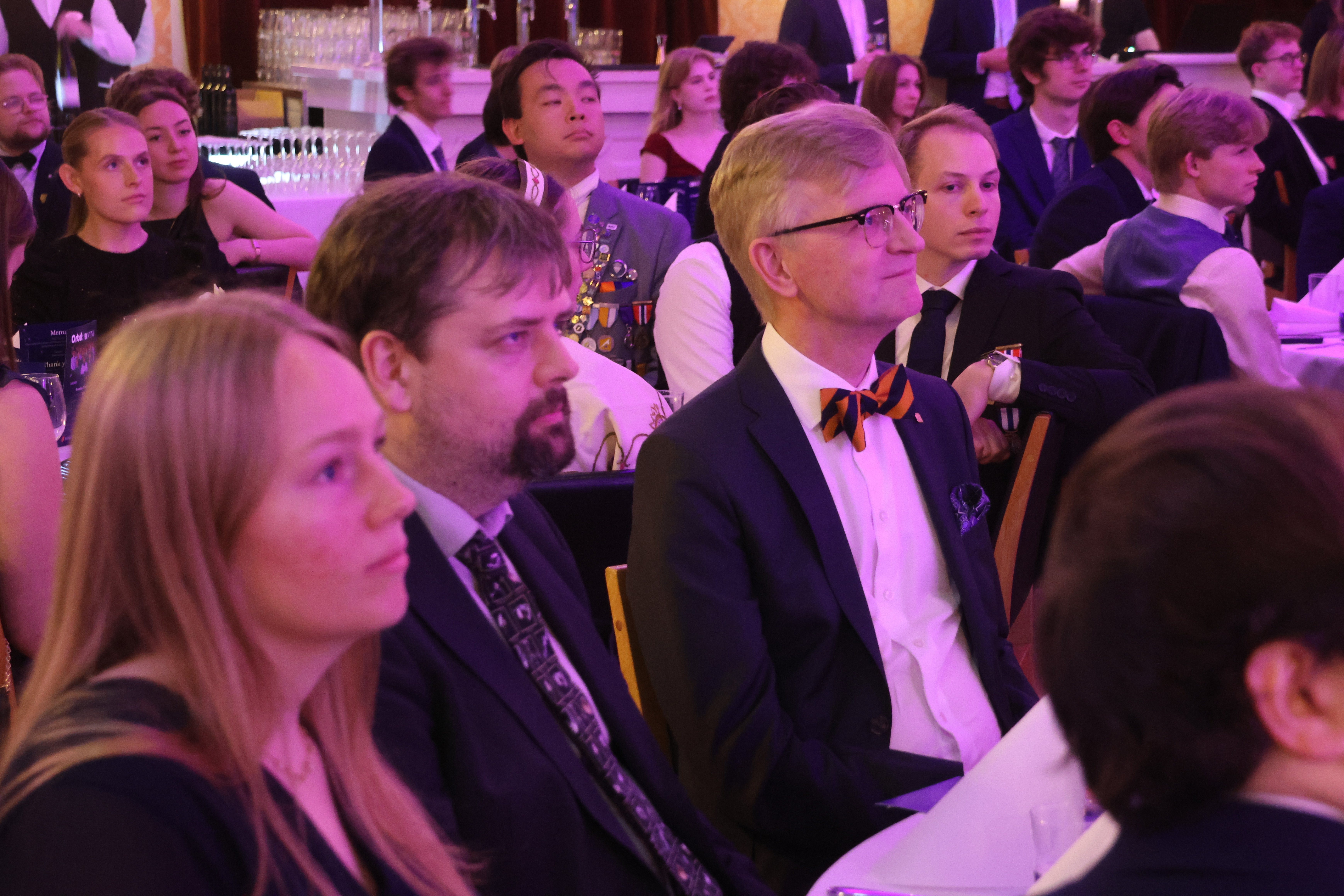 Roger Birkeland, Associate Professor at NTNU and described as the “father of FramSat”, together with Thomas Tybell, Dean and Professor at the Faculty of Information Technology and Electrical Engineering. Photo: Lars Bugge Aarset/Fremtidens Industri
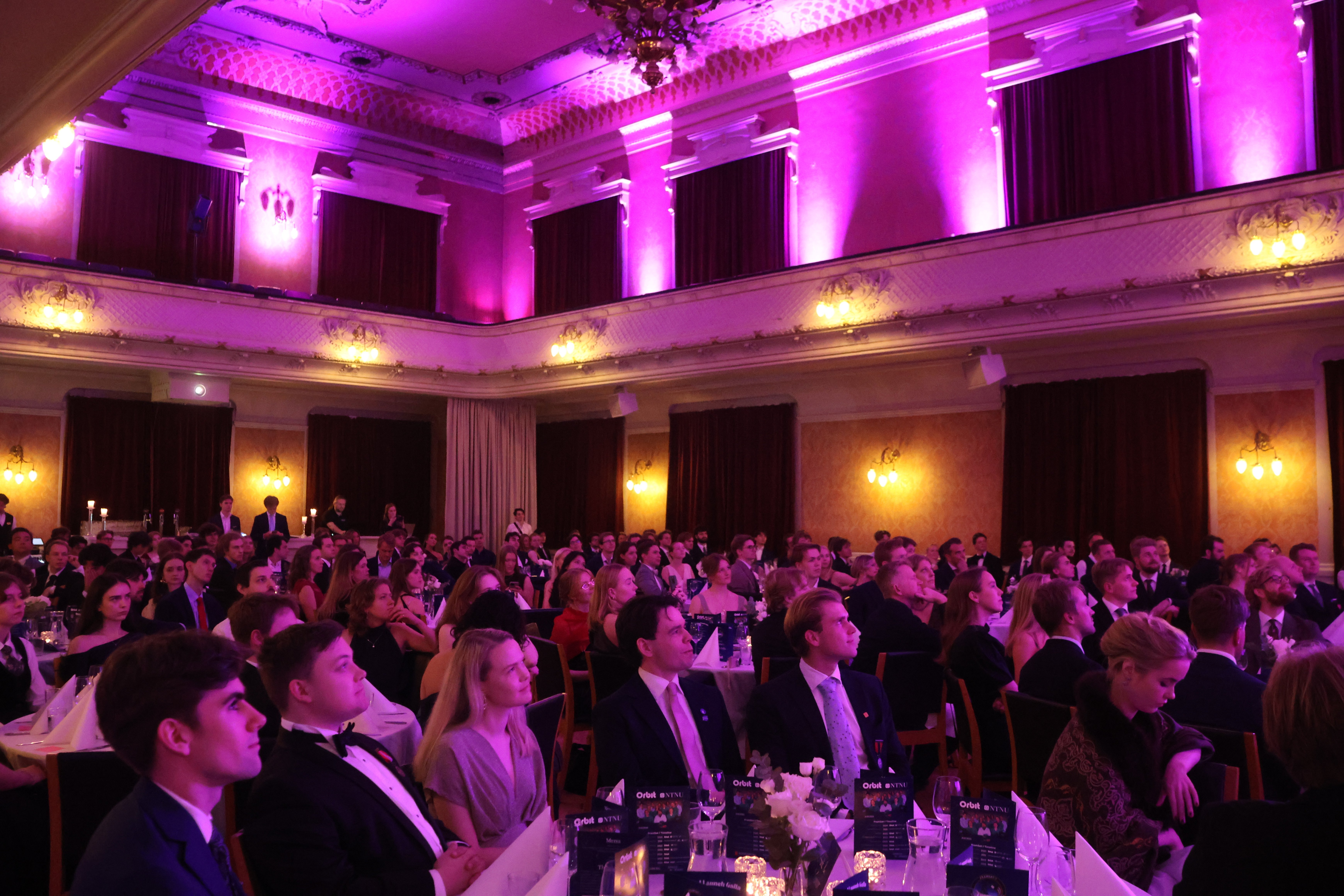
Photo: Lars Bugge Aarset/Fremtidens Industri